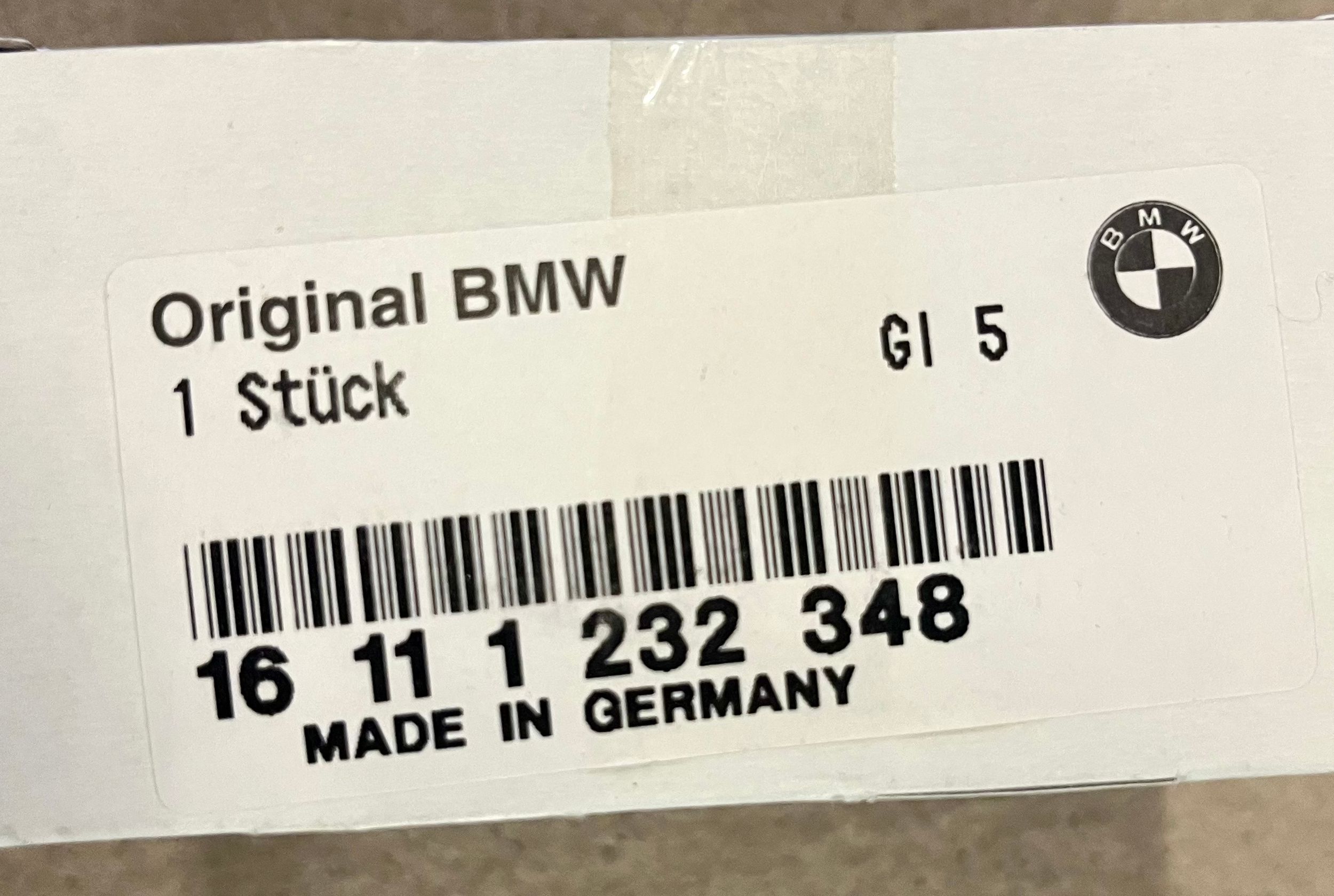
Understanding BMW Part Numbers – From Pre-War to Today
Since BMW's early days, its spare part numbering systems have changed several times. Over the decades, BMW introduced different systems to identify and catalogue its spare parts.
Three of these systems are particularly important for classic BMW motorcycles: the 10-digit pre-war system, the 7-digit post-war system, and the 11-digit part numbering system still used today.
On this page, we explain how these systems work, how they differ, and how you can use historical and current BMW part numbers to identify and order the correct spare parts.
Good to know: In our online shop, you can search using both current and historical BMW part numbers. Our intelligent search recognises different number formats and, where the information is available in our database, links older part numbers to their corresponding current parts.
1. The 10-Digit BMW Part Numbering System (Pre-War)
In 1934, BMW introduced a structured part numbering system that remained in use until 1954.
This system was particularly well designed: the individual digits already provided detailed information about a component, its original application, and the corresponding technical drawing.
A typical pre-war part number was structured as follows:

2 esignates motorcycle (Motorcar parts started with "3")
12 designates model type (R12 as it was first developed for the R12)
1 designates the series (R12, series 1)
3 designates the main group (Gear box)
6 designates the sub group (kick starter)
0 designates a single part (6 would designate an assembled part)
15 designates the ident or part number
0 designates the original drawing version (0= first version; 1= second version)
This made it possible to identify the vehicle model for which a component was originally developed and the assembly to which it belonged simply by looking at its part number.
Extension After the Second World War
BMW continued using this numbering system after 1945. During the post-war period, an additional digit was introduced to provide information about the corresponding technical drawing.
Digits 1 to 8 indicated different drawing formats, for example:
1 = Drawing format A1
2 = Drawing format A2
9 = No BMW technic al drawing available
The designation 9 was used, among other things, for components supplied by external manufacturers such as BOSCH or BING, where the original technical drawings were held by the respective supplier.
Good to know: These historical pre-war part numbers are also included in our search system. If a corresponding reference exists in our database, you can use the original number to find the appropriate spare part.
2. The 7-Digit BMW Part Numbering System (Post-War)
In 1955, BMW introduced a new 7-digit part numbering system.
This system formed the basis for the later 11-digit numbering system and was widely used for post-war BMW motorcycles.
The seven digits were divided into:
2 digits: Main group
2 digits: Subgroup
3 digits: Sequential part number
With a three-digit sequential number, each group was limited to a maximum of 1,000 part numbers.
As BMW's model range expanded and the number of spare parts increased, this system eventually reached its limits. By 1966, the available numbers in certain groups had already been exhausted.
BMW solved this problem by extending the numbering system from seven to eleven digits. The original seven digits were retained as part of the new number.
Using Older Spare Parts Catalogues
Original BMW spare parts catalogues published before 1967 generally contain only 7-digit part numbers.
You can still use these numbers in our online shop. Our search system recognises historical part numbers and, where a corresponding reference exists in our database, displays the currently listed part.
Historical Part Number Conversion Tables
When BMW introduced the 11-digit numbering system, conversion tables were published to help identify the new numbers corresponding to the original 7-digit part numbe rs.
We still have a limited stock o f these historical reference documents.
01 00 9 796 023 – Conversion Table, 7-Digit to 11-Digit BMW Part Numbers
You can order this conversion table directly from our online shop.
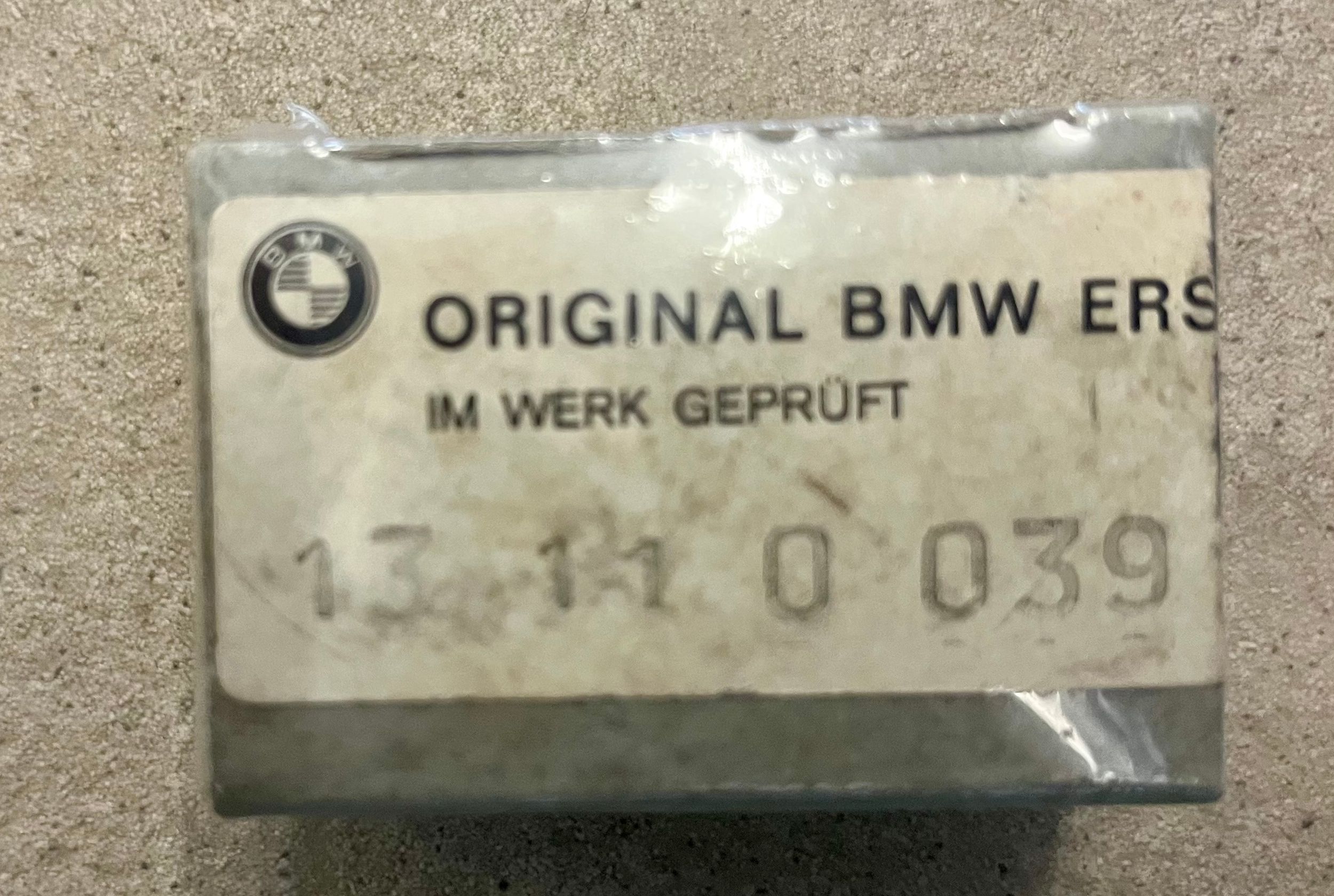
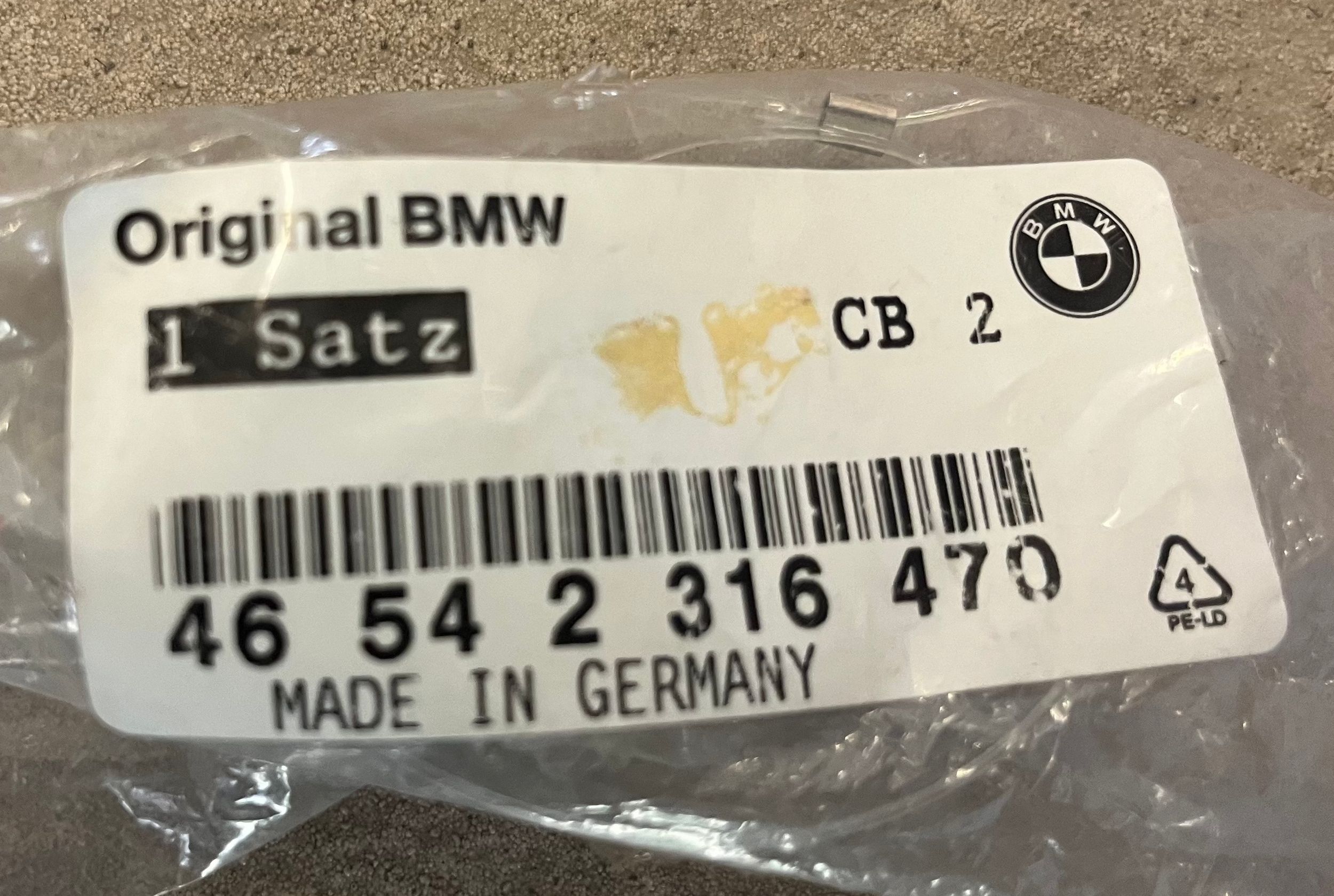
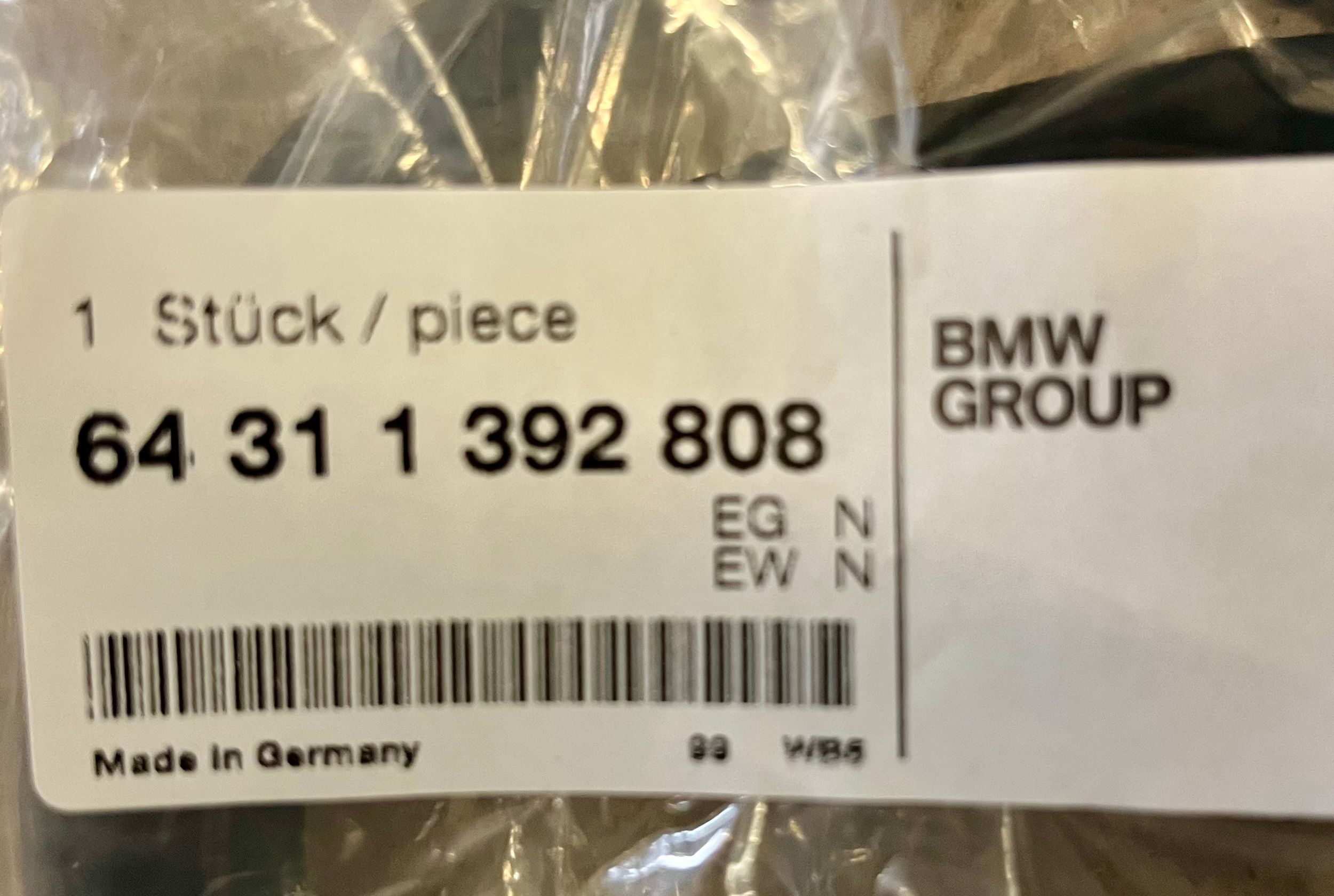
3. The 11-Digit BMW Part Numbering System (Current)
The BM W par t numbering system used today consists of eleven characters and is a further development of the original 7-digit post-war system.
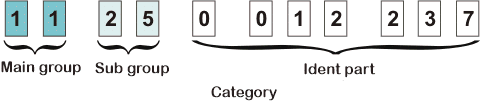
Part numbers are organised into main groups, subgroups, and individual part identification numbers.
A complete BMW part number is usually written as follows:
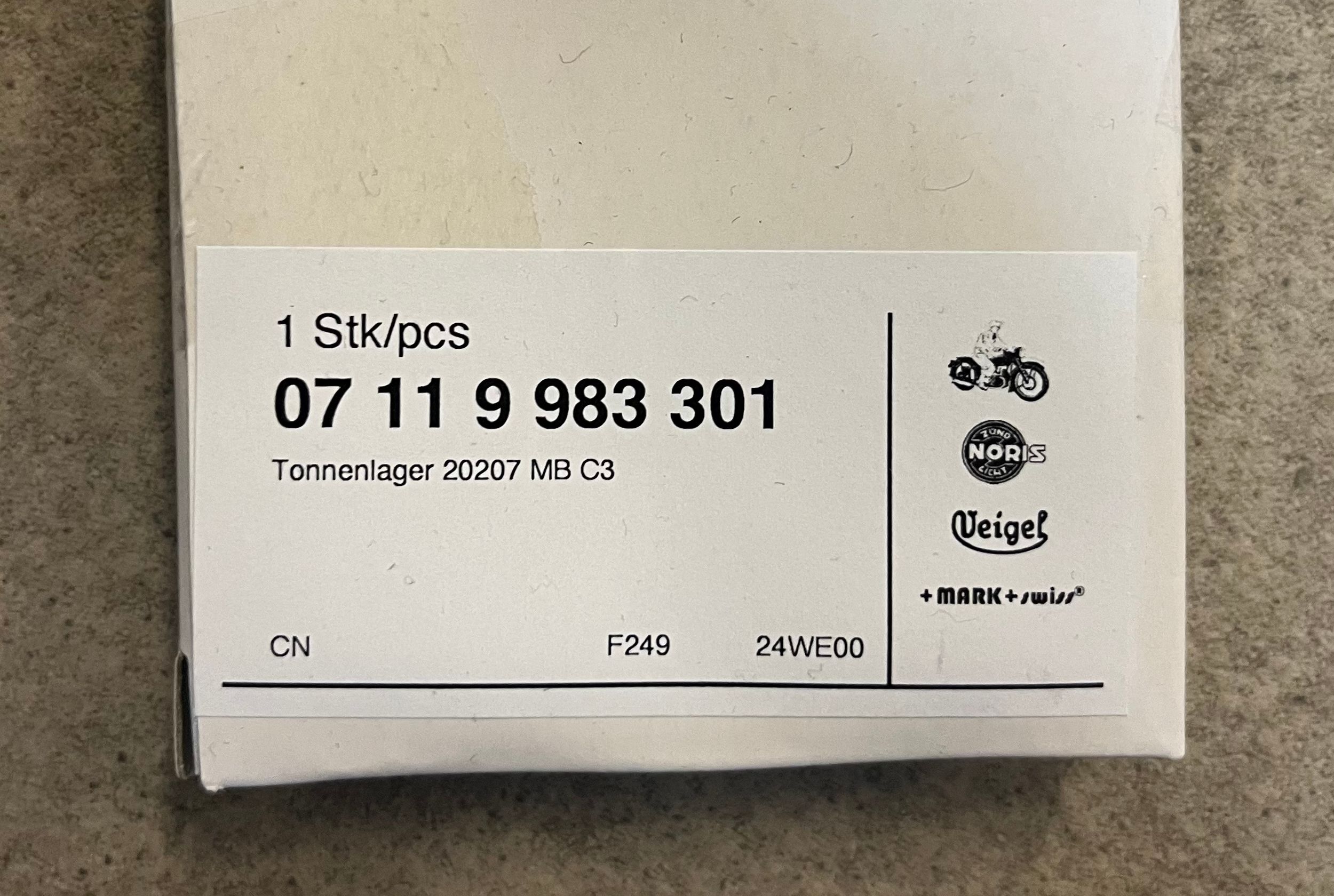
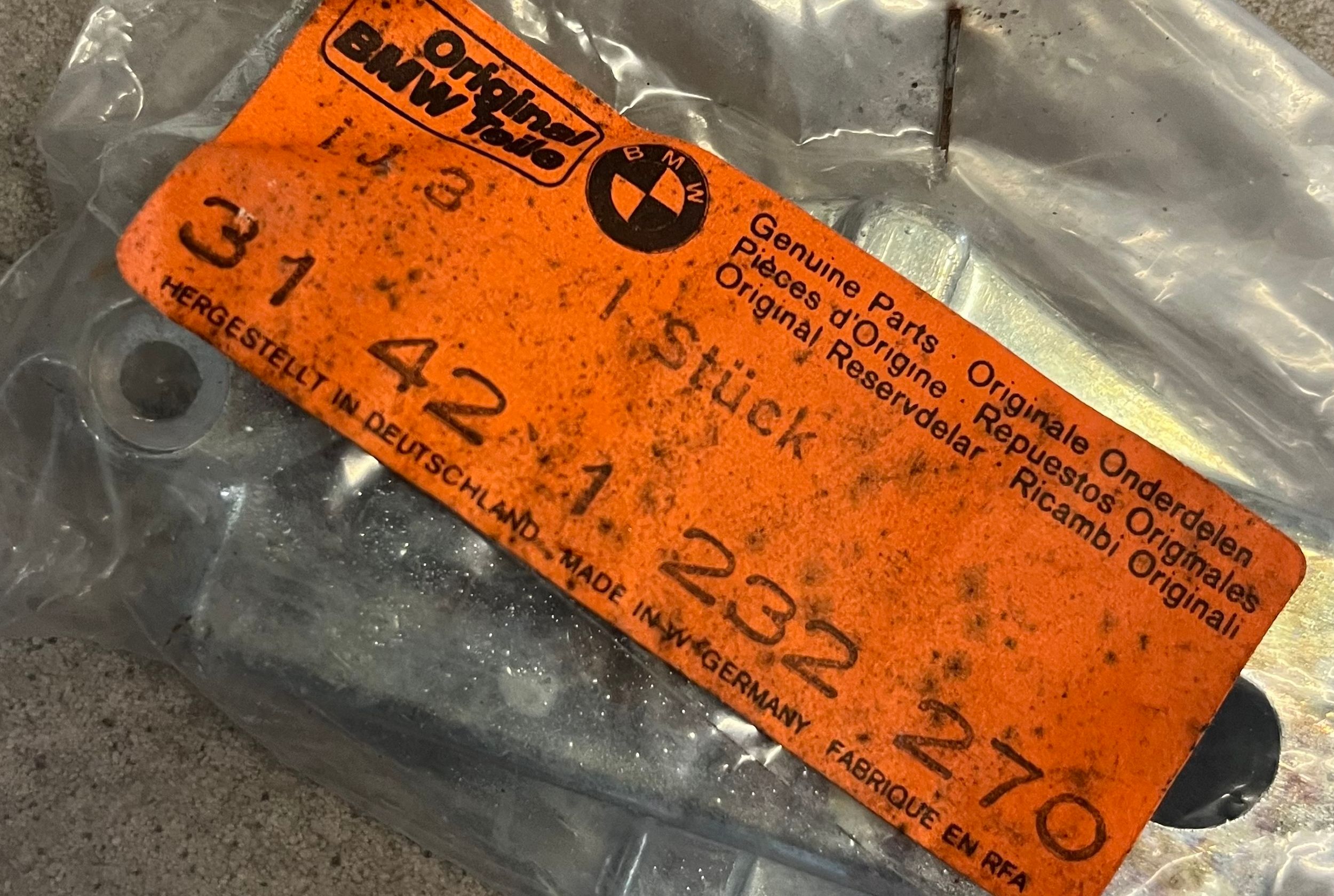
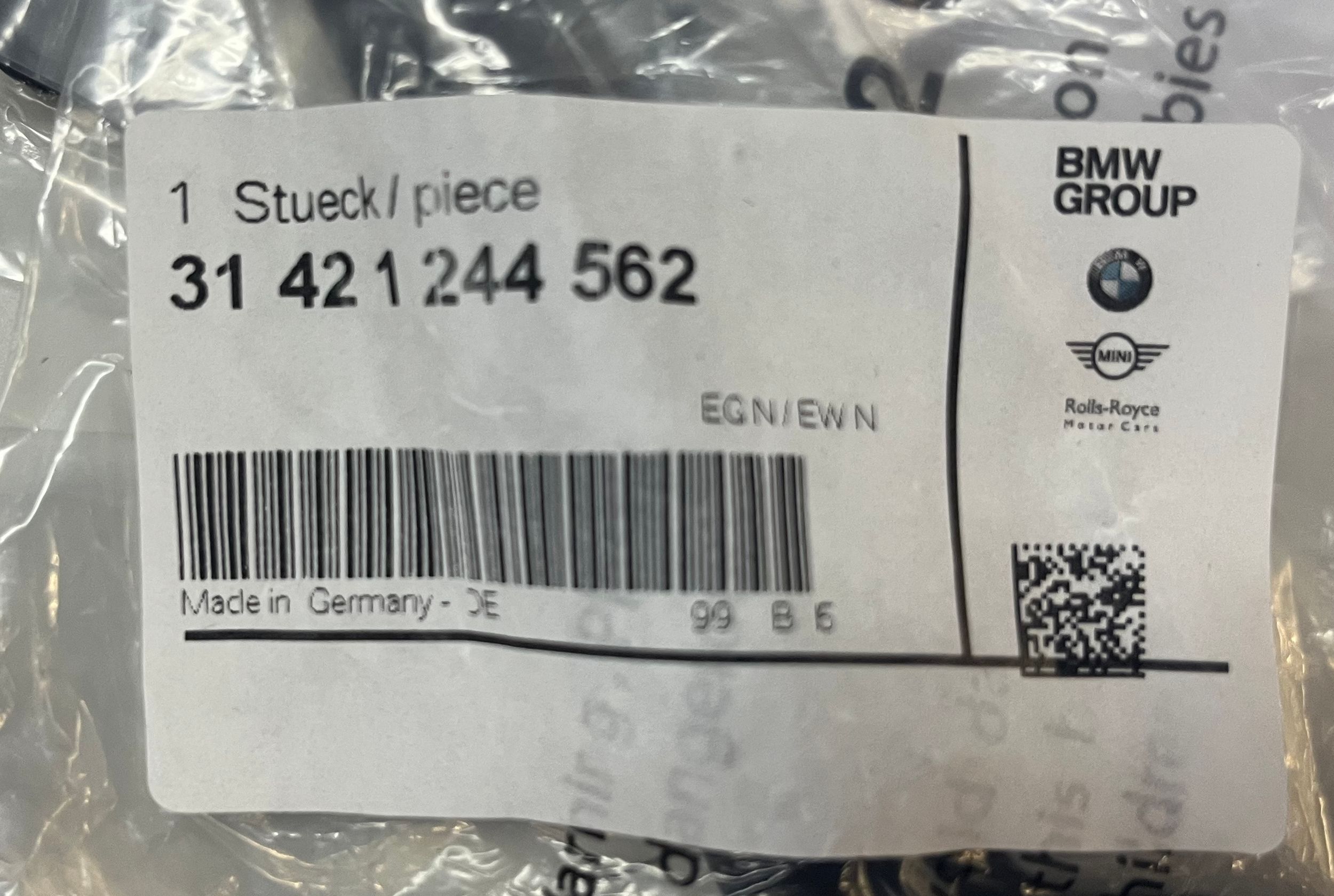
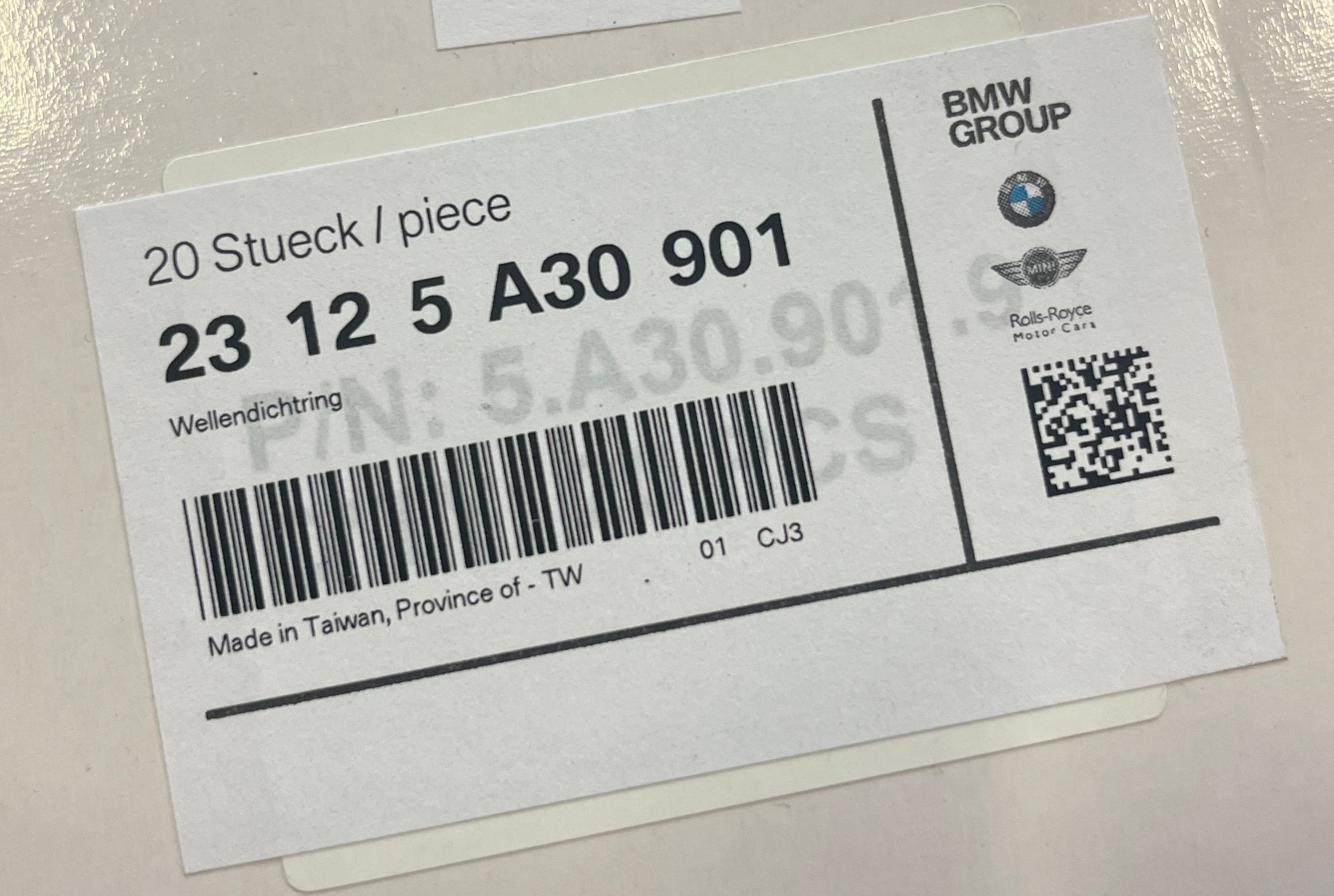
13 11 1 254 759
The first four digits identify the main group and subgroup. The remaining seven digits form the actual part identification number.
Original BMW spare parts catalogues follow the same main group and subgroup structure. Within each group, parts are listed together with their corresponding numbers, descriptions, and required quantities.
The historical catalogue illustration shown above uses a 68.0 mm diameter piston for the BMW R50 as an example.
Alphanumeric Part Numbers on Modern BMW Models
With the continuous expansion of BMW's model range, variants, and spare parts, even the 11-digit numbering system has increasingly reached its limits.
As the available purely numerical combinations have been exhausted in certain number ranges, BMW now also uses alphanumeric part identification numbers on newer models, combining letters and numbers.
The basic structure of main groups and subgroups remains unchanged. However, the actual part identification number may now contain both letters and digits.
These newer alphanumeric BMW part numbers are also supported by our online shop.
Searching for Part Numbers in Different Formats
In our online shop, you do not necessarily need to enter a BMW part number with all its spaces.
For example, you can search using any of the following formats:
13 11 1 254 759 – Complete 11-digit part number
1254759 – Last seven digits
1 254 759 – Alternative format
Our intelligent search recognises these different formats.
You can find an overview of the main groups in our online shop under Categories.
4. Discontinued, Superseded and Modified BMW Part Numbers
Over the decades, BMW has modified, superseded, or completely discontinued numerous spare part numbers.
A new part number does not necessarily mean that the component itself has changed.
There are several reasons why part numbers may be replaced:
Technical improvements: Changes to design, materials, or manufacturing processes.
New material specifications: Different materials, surface treatments, or finishes.
Changes of suppliers: Identical or comparable components supplied by different manufacturers, such as filters from MAHLE, KNECHT, or PUROLATOR.
Standardisation: Combining several part numbers under a single replacement number.
Changes to numbering systems: Historical pre-war or 7-digit post-war numbers replaced by 11-digit numbers.
When an Old Part Number Refers to Something Completely Different Today
One particular issue concerns historical part numbers that were discontinued many years ago.
In some cases, BMW later reassigned previously used numbers to entirely different products.
As a result, a number that originally identified a specific motorcycle component may now refer to a completely unrelated item.
One historical example is a part number originally assigned to a throttle cable that was later reused for a BMW system helmet.
This is why correctly identifying and cross-referencing historical part numbers is particularly important.
Our BMW Part Number Database
For decades, we have been working to document and cross-reference historical, superseded, and modified BMW part numbers.
Our database includes, among other things:
Historical pre-war part numbers
7-digit post-war part numbers
Current 11-digit part numbers
Alphanumeric part numbers used on newer BMW models
Discontinued and superseded part numbers
Known replacement parts and alternative references
Researching and maintaining this information requires extensive technical knowledge, historical documentation, and a considerable amount of time.
Our database is therefore continuously updated and expanded. Although it cannot claim to be complete, it helps identify spare parts whose original numbers may have been obsolete for decades.
5. Original BMW Spare Parts Catalogues – The Bible for Every Restorer
Original BMW spare parts catalogues have long been considered the "Bible" for BMW motorcycle enthusiasts, mechanics, and restorers. Even in the age of modern online shops, they remain an indispensable reference for identifying the correct spare parts.
They contain detailed exploded-view drawings of individual assemblies, original BMW part numbers, component descriptions, model applications, and required quantities – often presented in clearly structured tables.
Especially when restoring historical BMW motorcycles, these documents are invaluable. They not only help identify individual components but also make it possible to correctly identify and order spare parts – regardless of which supplier you prefer.
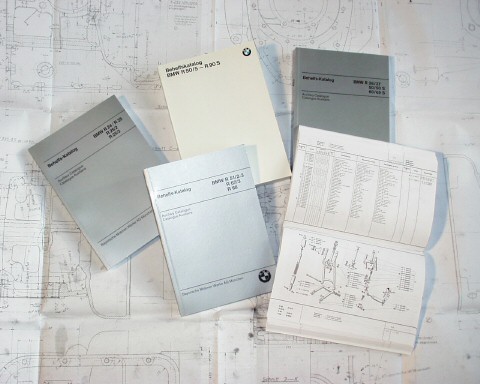
We do not publish our own complete spare parts catalogues, as the enormous variety of models, assemblies, and individual components would require a disproportionate amount of printing and ongoing maintenance.
However, many original BMW spare parts catalogues are still available, either as original editions or reproductions.
If you do not yet own a spare parts catalogue for your BMW motorcycle, you can find a selection in our online shop under 01 BMW Literature.
6. Finding BMW Spare Parts Using Historical Part Numbers
Have you found a part number in an old BMW spare parts catalogue and want to order the corresponding replacement part?
Simply enter the number into the search function of our online shop.
Our intelligent search supports the different BMW part numbering systems and helps you identify currently available parts using historical part numbers.
Please note: Not every historical part number has yet been recorded in our database. Also, finding a superseding part number does not automatically guarantee that the replacement part is suitable for every model or version without further verification.
Can't Find the Part You're Looking For?
Contact us with the part number you have and as much information as possible about your BMW motorcycle, such as its model and year of manufacture.
We will be happy to help you identify the correct spare part.
BMWBIKE.COM – passion to preserve